
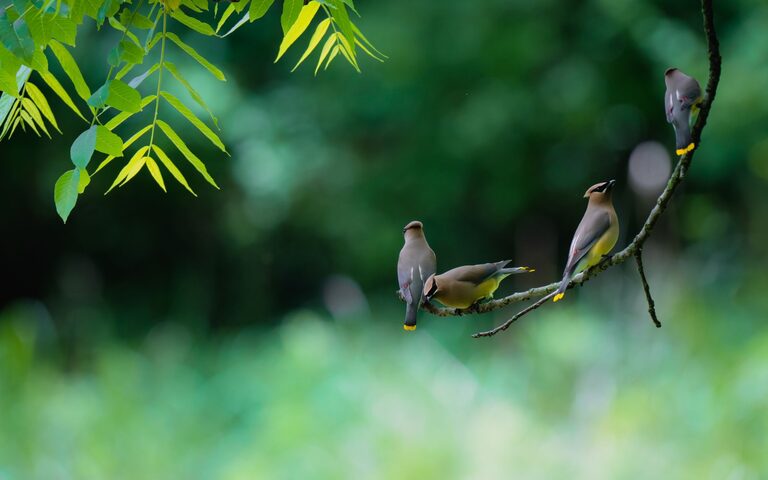
Birdwatching is a relaxing and rewarding hobby that brings you closer to nature right in your own backyard. Whether you live in the city or a rural area, observing birds can brighten your day and teach you about the wildlife around you. If you’re new to birdwatching, this guide will help you get started with practical tips to attract birds, identify them, and enjoy your time outdoors.
Why Birdwatching?
Birdwatching is a great way to connect with nature without needing special equipment or training. It encourages mindfulness, enhances your observation skills, and can be a fun activity for the whole family. Plus, it helps you learn about local ecosystems and the important roles birds play in them.
Getting Started: What You Need
You don’t need much to begin birdwatching. Here are the basics:
– A Comfortable Spot: Choose a quiet area in your yard with a good view.
– Binoculars: A simple pair of binoculars can make a big difference for spotting details.
– Field Guide or App: Use a bird identification book or an app to help recognize species.
– Notebook or Journal: Recording your sightings can be both fun and educational.
– Camera (Optional): Taking photos helps with identification and capturing memories.
Attracting Birds to Your Backyard
To make your backyard inviting to birds, consider these tips:
1. Provide Food
Birds are attracted to areas where they can find food easily.
– Bird Feeders: Different feeder types attract different birds—platform, tube, and suet feeders are popular.
– Fresh Water: A birdbath or shallow water source is essential, especially in warmer months.
– Native Plants: Plant shrubs, flowers, and trees that produce berries, seeds, and nectar.
2. Offer Shelter
Birds need places to hide from predators and rest.
– Plant dense bushes or evergreens.
– Include nesting boxes suitable for local species.
– Leave leaf litter or piles of twigs for ground birds.
3. Maintain a Safe Environment
Keep your space bird-friendly by:
– Avoiding pesticides and chemicals.
– Keeping cats indoors or supervised.
– Regularly cleaning feeders and birdbaths to prevent disease.
Identifying Birds: Tips for Beginners
Learning to identify birds is part of the fun. Here’s how to start:
– Observe Size and Shape: Notice the bird’s body size, beak shape, and tail length.
– Look at Color Patterns: Bright colors or distinctive markings can be clues.
– Listen to Calls: Bird songs and calls are unique and can help with identification.
– Behavior: Watch how the bird moves, feeds, or interacts with others.
– Use Field Guides: Match your observations to photos and descriptions.
Keeping a Birdwatching Journal
Recording what you see enhances the experience and builds your knowledge. Include:
– Date and time of sightings.
– Weather conditions.
– Number of birds and species.
– Any interesting behaviors noticed.
– Sketches or photos if possible.
Over time, your journal will show patterns and help you understand the seasons and migration.
Joining the Birdwatching Community
Birdwatching is more enjoyable when you share it with others. Consider:
– Joining local birdwatching groups or online forums.
– Participating in community events like bird counts.
– Sharing photos and tips with friends or social media.
Recommended Resources for Beginners
Here are some helpful tools:
– Apps: Merlin Bird ID, Audubon Bird Guide
– Books: “National Geographic Field Guide to the Birds of North America,” “The Backyard Birdsong Guide”
– Websites: Audubon Society, Cornell Lab of Ornithology
Final Thoughts
Backyard birdwatching is an easy and accessible way to explore the natural world. With a little patience and care, your yard can become a lively habitat full of fascinating birds. Remember to observe quietly and respect their space. Happy birdwatching!
About the Author