Planning a no-stress weekend is a wonderful way to unwind, recharge, and improve your overall well-being. In today’s fast-paced world, taking time to relax without any pressure can seem challenging, but with a little preparation, you can create a weekend that’s truly peaceful and enjoyable. This guide will walk you through easy steps to organize a weekend that leaves you feeling refreshed and ready for the week ahead.
Why a No-Stress Weekend Matters
Taking regular breaks from your daily routine is essential for mental and physical health. A no-stress weekend allows you to step back from busy schedules and responsibilities. It helps reduce anxiety, improve sleep, boost mood, and restore energy. Plus, it’s a chance to reconnect with yourself, loved ones, or hobbies that bring you joy.
Step 1: Set Clear Intentions for Your Weekend
Start by thinking about what you want to achieve during your weekend. Do you want rest, fun, creativity, or connection? Setting clear intentions helps guide your plans.
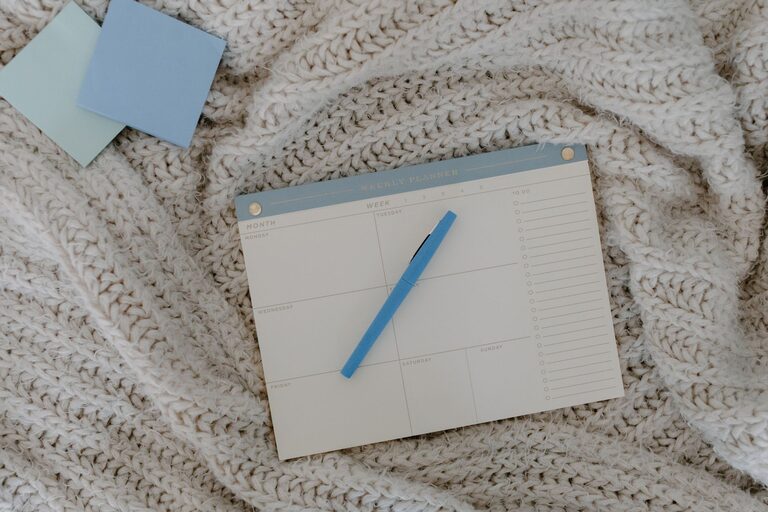
– Write down your goals for the weekend.
– Prioritize activities that align with these goals.
– Be realistic about what you can fit in without feeling overwhelmed.
Step 2: Declutter Your Schedule
One of the biggest causes of stress is a packed agenda. To create space for relaxation:
– Review your weekend plans and cancel or postpone non-essential tasks.
– Avoid scheduling back-to-back activities.
– Leave blocks of free time for spontaneous rest or fun.
Step 3: Prepare in Advance
Preparing ahead can reduce last-minute stress.
– Plan your meals or set aside time for easy cooking.
– Lay out comfortable clothes and essentials.
– Complete necessary errands during the week.
Step 4: Create a Relaxing Environment
Your surroundings impact how relaxed you feel. Consider these tips:
– Tidy up your living space to promote calm.
– Play soothing music or nature sounds.
– Use soft lighting like lamps or candles.
– Gather items that help you relax, such as books, blankets, or teas.
Step 5: Prioritize Self-Care Activities
Choose self-care activities that help you unwind.
Ideas for Self-Care:
– Take a warm bath or shower.
– Practice gentle yoga or stretching.
– Meditate or use deep-breathing exercises.
– Read a favorite book or listen to an audiobook.
– Enjoy a hobby like painting, gardening, or cooking.
Step 6: Limit Technology Use
Screens and notifications can increase stress. To minimize this:
– Set specific times to check emails or social media.
– Switch your phone to “Do Not Disturb” mode.
– Consider a digital detox to focus on offline activities.
Step 7: Connect with Loved Ones
Spending quality time with family or friends can be uplifting.
– Plan a low-key meal or walk together.
– Share conversations without distractions.
– Enjoy activities everyone finds relaxing.
Step 8: Get Outside and Enjoy Nature
Fresh air and natural surroundings can boost your mood and lower stress.
– Take a leisurely walk in a park or nature reserve.
– Sit outside with a cup of tea or coffee.
– Engage in light outdoor activities like gardening.
Step 9: Allow Yourself to Do Nothing
Remember, it’s okay to simply relax and do nothing.
– Give yourself permission to rest without guilt.
– Take naps or quiet moments as needed.
– Observe your thoughts and feelings without judgment.
Step 10: Reflect and Adjust
At the end of your weekend, take a moment to reflect:
– What activities helped you feel calm?
– What caused any stress or tension?
– What will you keep or change for future weekends?
Final Thoughts
Planning a no-stress weekend is about making intentional choices that support relaxation and joy. By setting clear intentions, clearing your schedule, and focusing on self-care, you create space to recharge both your body and mind. Remember, small changes can make a big difference. Enjoy your weekend to the fullest – stress-free and refreshing!
About the Author